The team
Team COGNITEX
Computer Engineering students at LDRP-ITR, Kadi Sarva Vishwavidyalaya, Gandhinagar.
.png)
Shlok Thakkar
Tech Lead - Architecture & AI Systems
Risk engine · retrieval pipeline · database & backend · OCR · localisation
- Owned the end-to-end architecture — client, database schema and all four serverless functions — and set the technical direction the team worked to.
- Wrote the offline-capable risk engine with tiered assessment and a per-factor breakdown separating modifiable from non-modifiable risk.
- Designed and shipped the guideline assistant: vector retrieval over a curated corpus, a relevance gate that declines before any model is called, and server-side re-derivation of every citation.
- Modelled the PostgreSQL schema with row-level security at the database layer and eight sequential idempotent migrations.
- Built the API cost-control layer — auth before any billable call, per-API rate limits, timeouts and usage logging — keeping the project inside a ₹10,000 grant.
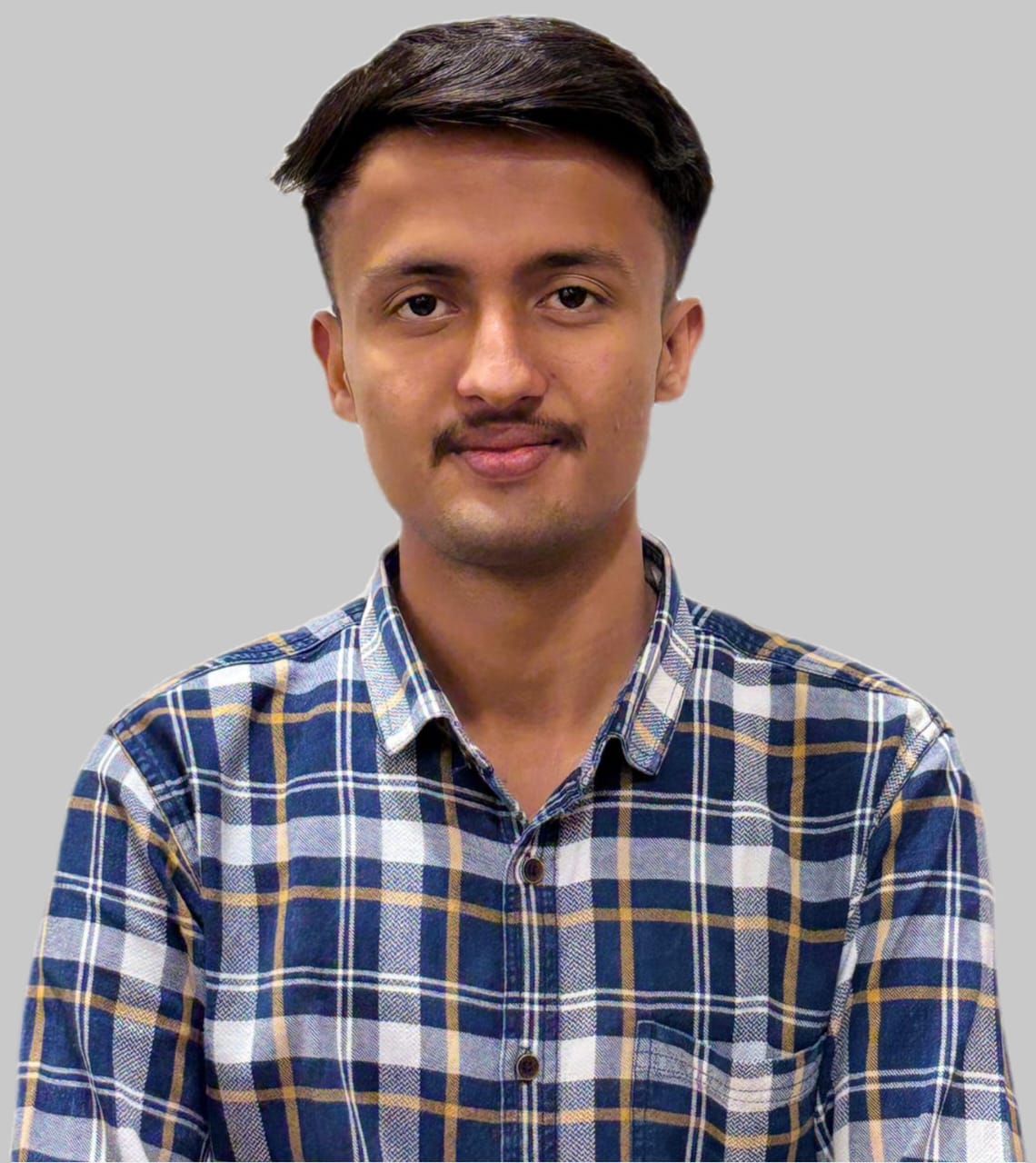
Dhrupalsinh Solanki
App Delivery & Offline Support
Email result delivery · offline install layer
- Shipped the email result-delivery flow into the production codebase, including the contact form’s spam and rate-limit protections.
- Shipped the progressive web app layer — service worker registration, offline caching and install manifest — so a screening completes without a network connection.
- Verified install and offline behaviour on Android and reported the failures fixed before launch.
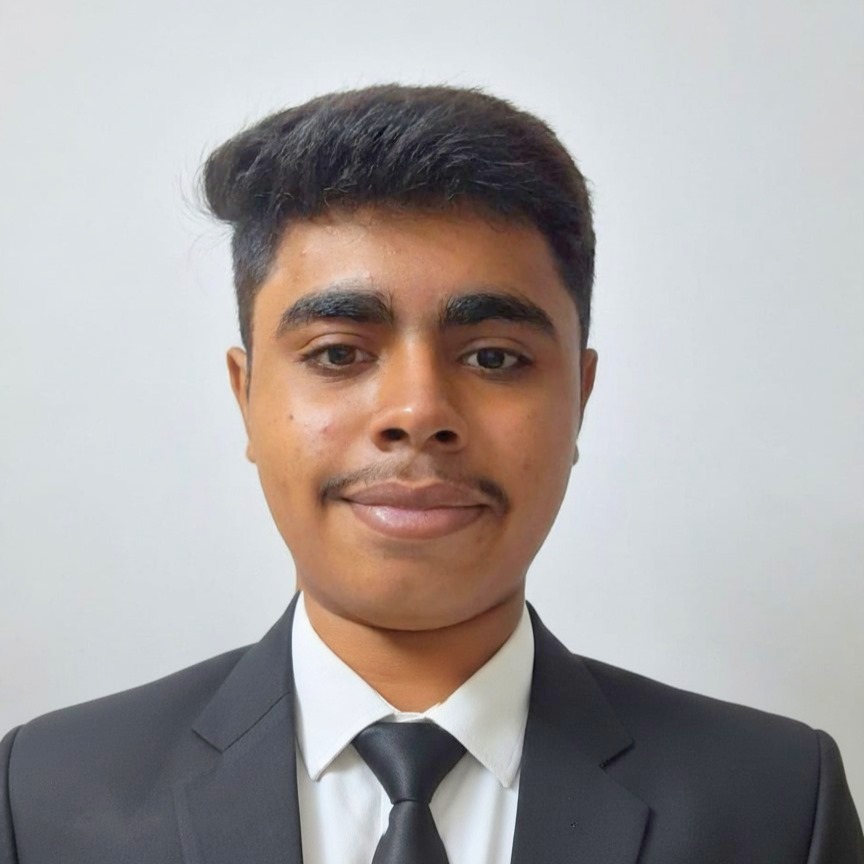
Aryan Thakkar
Product & Requirements Lead
Product Requirements · user walkthroughs
- Defined requirements for post-screening doctor discovery, including the rule that the platform must never rank or endorse a listed doctor.
- Reviewed the screening questionnaire for length and comprehension, driving the cut to a five-minute flow.
- Ran walkthroughs with first-time users and reported the confusion points that changed the result page wording.
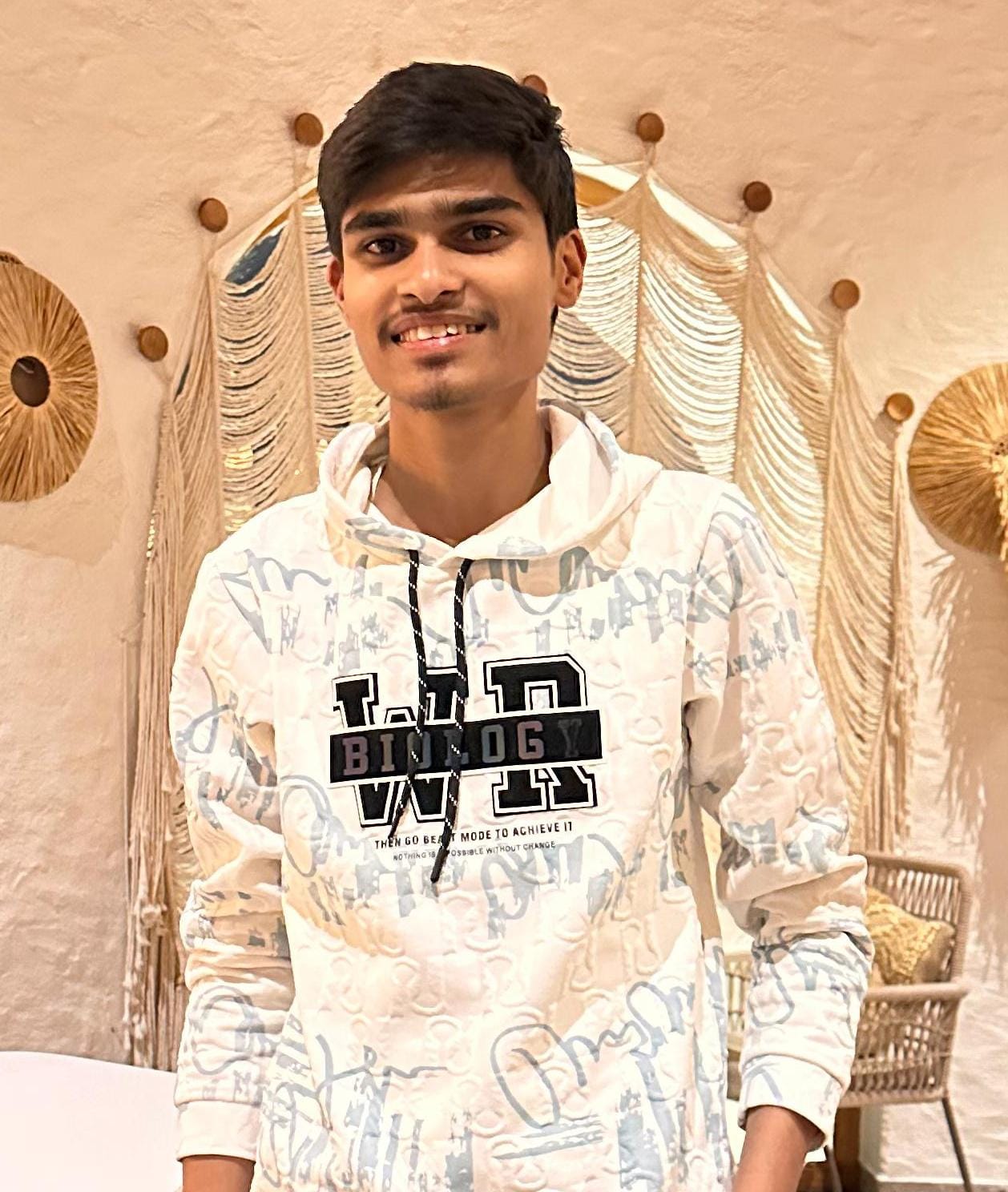
Akshay Somani
Localisation & QA
Language review · device testing
- Reviewed Hindi and Gujarati interface copy for readability and flagged translations that read as clinical rather than plain language.
- Tested the screening flow on low-end Android devices and reported layout and input problems.
- Gathered feedback on the lifestyle guidance so food and activity examples matched what people locally recognise.